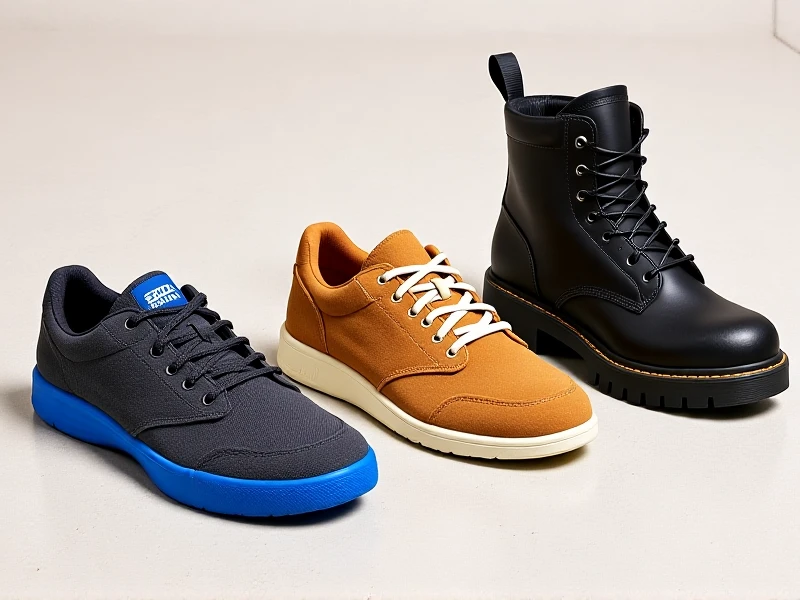
Safety Shoes: Your Essential Guide to Protecting Feet in Hazardous Workplaces
Safety shoes, often known as protective footwear, are a crucial investment for anyone working in environments with risks like falling objects, slippery surfaces, or electrical hazards. These specialized shoes aren't just another piece of gear—they're designed to save lives by preventing common workplace injuries. Whether you're in construction, manufacturing, or any hazardous job, having the right pair reduces accidents and enhances productivity. In this article, we'll explore the essential features, key benefits, and tips for choosing the best safety shoes to keep your feet safe and comfortable all day long.
Firstly, what exactly are safety shoes? They feature reinforced components like steel or composite toes that shield against crushing impacts from heavy objects, making them perfect for industries such as logging, mining, or oil fields. Many models include slip-resistant soles for wet floors, puncture-proof plates in the midsoles to guard against sharp materials, and electrical hazard protection to prevent shocks. For instance, workers on construction sites benefit immensely from steel-toe safety shoes, as they minimize injuries from dropped tools or debris. Other types cater to specific needs: waterproof safety boots for wet conditions, anti-static versions for electronics labs, and lightweight options for all-day comfort. Standards like ASTM F2413-18 ensure these shoes meet rigorous quality benchmarks, so always check for certifications when purchasing.
Moreover, the advantages of wearing safety shoes extend beyond simple protection. They offer improved stability and support, reducing fatigue during long shifts, and often come with features like cushioned insoles and breathable materials for better foot health. Studies show that proper protective footwear lowers workplace injury rates, saving companies money on compensation claims and downtime. To choose the right pair, consider your job's unique risks—opt for steel toes if handling heavy loads or slip-resistant soles if working on oily surfaces. Also, focus on fit and size; well-fitting safety shoes shouldn't cause blisters or discomfort. Investing in high-quality brands may cost more upfront, but it pays off through enhanced safety and durability, reducing replacement costs over time. Remember, prioritise comfort and functionality to stay safe and efficient.
In summary, safety shoes are a non-negotiable defense against workplace hazards, promoting both health and efficiency. By selecting the appropriate type based on your environment and ensuring a proper fit, you can prevent injuries and work confidently. Always upgrade to quality pairs for long-term protection—your feet are worth it.