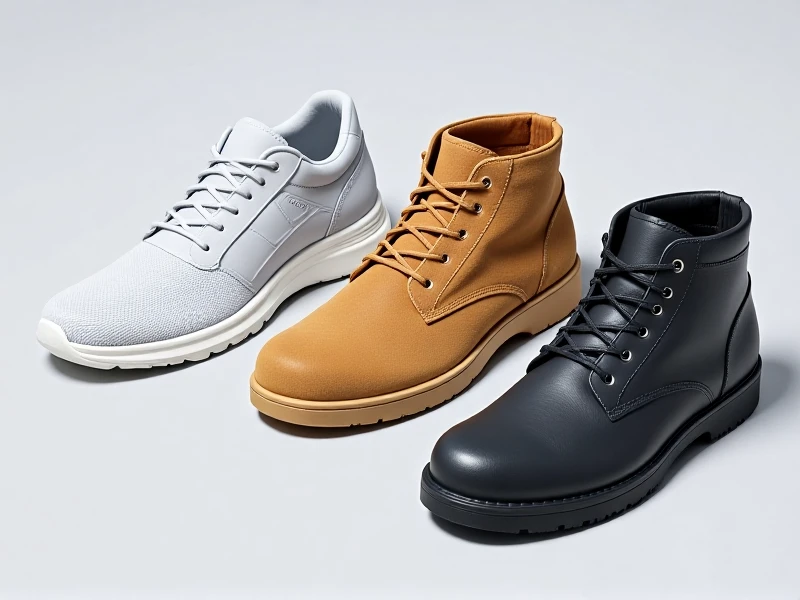
Essential Guide to Choosing the Right Safety Shoes for Your Work Environment
When you're working on a construction site, factory floor, or any hazardous job, safety shoes aren't just an option—they're a critical part of keeping yourself protected. Think about the countless workplace accidents involving foot injuries each year. From falling objects to electrical hazards, a good pair of safety shoes can mean the difference between a minor incident and a life-changing injury. That's why it's vital to understand how these protective boots work and why investing in the right pair pays off for your long-term well-being at work.
Safety shoes, also known as safety footwear or industrial boots, are designed with specific features to shield your feet from common workplace risks. For starters, they often include toe caps—like steel or composite options—to absorb impacts and protect against crushing forces. Many models come with anti-slip soles to prevent falls on slippery surfaces, while others offer puncture-resistant midsoles for environments with sharp debris. Beyond that, some safety shoes provide electrical insulation for wet or high-voltage areas, ensuring you stay safe without compromising comfort during long shifts. This type of footwear isn't just about durability; it's regulated by standards like OSHA or EN ISO 20345, which guarantee they meet strict safety benchmarks. When you slip them on, you're not only reducing injury risks but also boosting your overall productivity—comfortable feet mean fewer breaks and better focus.
Choosing the perfect safety shoes means considering your specific work conditions. First, assess the hazards: If you're in a warehouse with heavy loads, opt for steel-toe caps and thick, grippy soles. For wet environments, look for waterproof materials and additional slip-resistance. Size is crucial too—always try on these protective boots with the socks you'll wear at work and walk around to ensure a snug, supportive fit that doesn’t cause blisters. Brands like Timberland PRO or Caterpillar offer reliable options for various industries, starting from $50 to over $200. Don't forget to replace them every six to twelve months, as wear can compromise safety over time. Ultimately, the right pair of safety footwear should feel like a natural extension of your gear, keeping you agile and injury-free.
Regularly using safety shoes transforms workplace safety from a routine task into a proactive defense. So, take a moment today to check the condition of your current pair—your feet deserve the best protection. Need more tips? Explore our site for expert guides on selecting the ideal safety shoes for your job.